Introduction
Snus, a moist powder tobacco product, has become increasingly popular across various demographics, especially among those who are looking for alternatives to smoking. Often considered a more discreet and less harmful way of consuming nicotine, snus has an extensive history that traces back centuries. In this article, we will delve into the origins of snus, explore its evolution over time, and discuss various aspects such as safety, legality, and usage.
As we unravel the historical tapestry of snus, we aim to answer pressing questions: When was snus invented? What is snus? How does it differ from other tobacco products like snuff? Let's embark on this journey through time to discover the fascinating world of snus.
When Was Snus Invented?
The history of snus can be traced back to Sweden in the 18th century. Its introduction as a refined product marked a significant shift in how tobacco was consumed in Northern Europe. Initially developed as a way to avoid the harshness associated with smoking, snus quickly gained popularity among Swedish soldiers and farmers.
The Early Days: 1716 – 1800s
In 1716, Swedish chemist Tobias Smollett documented the first references to what would later become known as snus. The original form consisted of finely ground tobacco mixed with salt and flavoring agents. By the mid-1800s, commercial production began in earnest when the first factory dedicated solely to producing snus opened its doors.
This early version differed significantly from modern-day offerings. The tobacco was often harsh and unrefined compared to today's smooth and flavorful iterations.
Advent of Modern Snus: Late 1800s – 1900s
By the late 19th century, technological advancements allowed for greater refinement in the production of snus. The development of vacuum-sealed packaging helped preserve freshness and flavor for longer periods, making it more appealing to consumers. By this time, various brands emerged on the market, each vying for consumer attention.
20th Century: Snus Goes Global
Fast forward to the mid-20th century; snus began gaining traction outside Sweden. As countries like Norway and Denmark adopted similar products, manufacturers started experimenting with flavors and formulations tailored for different markets.
The following segments will further explore key historical developments in the evolution of snus while addressing important considerations regarding its safety and legality.
What Is Snus? Understanding Its Composition
To fully appreciate snus's historical significance, it's essential to understand what it is made of.
Ingredients Breakdown
Tobacco: Primarily ground tobacco leaves. Flavorings: Commonly added flavors include mint, citrus fruits, or even coffee. Salt: Enhances flavor while also acting as a preservative. Moisture Content: Typically around 40% water content provides that characteristic moist texture.How Does It Differ from Other Tobacco Products?
While both snuff and snus are forms of https://general-snus-gwdz683669315394399682.timeforchangecounselling.com/what-happens-if-you-swallow-snus-health-implications-explained smokeless tobacco:
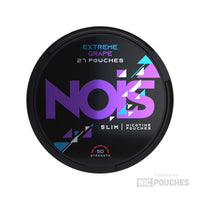
- Snuff is usually finely ground dry tobacco meant for inhalation or oral use without swallowing. In contrast, snus is placed between the lip and gum for extended periods without spitting out any excess saliva.
Is Snus Bad for You? Exploring Health Implications
As discussions surrounding health risks related to traditional smoking intensify, many turn their attention toward alternatives like snus.
Health Risks Associated with Snus Consumption
Addiction: Contains nicotine which is addictive. Gum Disease: Long-term use can lead to gum recession or other dental issues. Cancer Risk: While studies show lower risks compared to smoking cigarettes, there’s still potential risk associated with using any form of tobacco. Overall Well-being: Some users report negative side effects such as nausea or dizziness upon initial use.With growing concerns about health implications comes questions about whether switching from cigarettes to products like snus is a wise decision for those seeking alternatives.
How To Use Snus Correctly
Using snus may seem straightforward but requires some knowledge for optimal experience.
Steps on How To Use Snus
Remove a pouch from its packaging. Place it between your upper lip and gum. Allow it to sit undisturbed; you can enjoy it for up to an hour. Dispose of used pouches responsibly; do not swallow them!Common Mistakes To Avoid
- Don't chew or bite down on the pouch; simply let it sit. Avoid swallowing any remaining juices; they can cause discomfort if ingested directly.
What Does Snus Do? Effects on Your Body
Understanding what happens inside your body when using snus is crucial for informed consumption:
Nicotine Absorption: Nicotine enters your bloodstream through oral mucosa within minutes. Stimulation: Users often report feelings of relaxation or increased focus shortly after use. Duration: The effects typically last anywhere from 30 minutes up to an hour based on individual tolerance levels.Are Nicotine Pouches Safe? A Comparison with Snus
With new products entering the market regularly—such as nicotine pouches—it’s pertinent to compare their safety profiles against traditional forms like snus:
Differences Between Nicotine Pouches & Snus
| Feature | Snus | Nicotine Pouches | |--------------------|-----------------------------------------|-----------------------------------------| | Tobacco Content | Yes | No | | Flavor Options | Many flavors available | Wide variety available | | Legality | Legal in many European countries | Increasingly accepted globally |
While nicotine pouches may be perceived as safer due to their lack of tobacco content entirely—they still carry addiction risks due primarily to high nicotine concentrations present in some brands.
FAQs About Snus
What happens if you swallow snus?
Swallowing a pouch can lead to nausea or discomfort; it's generally advised against doing so since they are designed for oral use only.
Can I take snus on a plane?
Most airlines allow passengers limited amounts of smokeless tobacco; however—it’s best practice always check specific airline regulations before traveling internationally.
Is snuff similar to snus?
While both are smokeless forms of tobacco consumed orally—snuff is typically inhaled through the nose rather than placed between gums/lips like traditional formats found in snusing practices today!
Is there fiberglass in snuff?
Some believe certain brands may contain additives such as fiberglass—but reputable manufacturers do not include such materials within their recipes today!
Why do athletes use snuss?
In sports circles where performance enhancement matters—some athletes claim improved focus/stamina when using products like snuss during intense competition periods—but actual evidence remains inconclusive at best!
Are nicotine pouches better than vaping?
Nicotine pouches might offer fewer harmful chemicals than e-cigarettes but ultimately depend upon user preferences regarding method choice/personal experiences while engaging with these products regularly over time!
Conclusion
In summary, exploring "When Was SnUs Invented? A Historical Overview" reveals not only its rich heritage rooted deeply within Scandinavian culture but also emphasizes contemporary debates surrounding usage patterns today across differing demographics worldwide!
As society continues evolving towards healthier lifestyles—the adaptation towards smokeless alternatives signifies changing perceptions towards traditional methods seen previously throughout human history!
Whether you're contemplating starting your own journey into using these products—or looking simply broaden knowledge base surrounding them—understanding both benefits/risk factors associated here plays vital role ensuring informed decisions moving forward!